

Organize Your Spending With These Great Financial Apps Aug 9th

How to plan for taxes in retirement in Canada + MORE Oct 22nd
The best high-interest savings accounts in Canada for 2025 + MORE Aug 13th
Do I qualify for the pension tax credit? + MORE Jun 1st
It’s possible to be a first-time home buyer twice—here’s how + MORE Sep 24th
Canada ranks 2nd among 10 countries for cost competitiveness, says KPMG
– canadianbusiness.com
In its report, KPMG says Canada lags only behind Mexico when it comes to how little businesses have to pay for labour, facilities, transportation and taxes.
The report, which compared the competitiveness of a number of western countries along with Australia and Japan, found that a high U.S. dollar has helped Canada stay affordable despite rising office real estate costs and lower federal tax credits.
When it comes to corporate income taxes, it found that Canada, the U.K. and the Netherlands had the lowest rates overall due to tax incentives to support high-tech and research and development.
KPMG also looked at the competitiveness of more than 100 cities worldwide. It ranked Fredericton, N.B., as the most cost-effective city in Canada due to low labour costs and continued low costs for property leases.
Montreal topped the list among 34 major cities in North America, followed by Toronto and Vancouver…
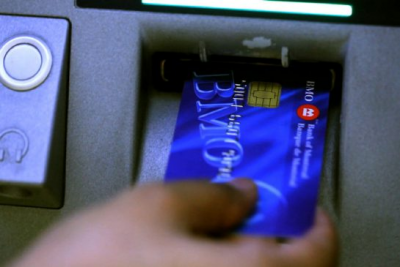
BMO financial planner loses Ont. couple $47,000
– moneysense.ca
 Imagine hiring a financial planner you thought you could trust. Then imagine losing nearly $50,000 after listening to their advice.
This nightmare situation was a reality for a retired couple who, in 2014, sought advice from a BMO financial planner on how to transfer their retirement savings from an American account to a Canadian RRSP, CBC Go Public reports.
Tom and Gloria Ratcliffe first approached two other big banks (CIBC and RBC) both of which told the retirees that the transfer of funds would result in a huge tax hit for them. At BMO, however, financial planner Karen Gill assured them the transfer was possible. When the the couple asked Gill why the transaction wouldn’t be an issue, she reportedly told them “‘Because BMO is such a big organization, we can do things other people can’t do.’”
As it turned out, BMO couldn’t do the $198,000 transfer after all, at least, not without slamming the couple with a $47,000 tax bill from both the U.S. and Canadian governments…
Tax Tips Every Mobile Entrepreneur Needs To Know
– walletpop.ca
As life becomes increasingly mobile, there is an uptick in the number of Canadians who start and manage small businesses without brick and mortar locations. Another significant shift is that more and more people are freelancing and earning money from the sharing economy.
No matter how mobile or field-based entrepreneurs earn their income, it’s important to understand how these modern business endeavours impact your taxes. Here’s an overview of what you need to know before you file:
Do you qualify for a tax break?
The definition of “self-employed” isn’t as straightforward as it used to be. While a freelance writer or the sole proprietor of a small business are fairly recognizable examples, those earning money in the sharing economy through apps like Uber or Airbnb, for instance, may be wondering what they have to report on their income taxes…
Are Sell and Leaseback Programs a Good Option for Boomers?
– ratesupermarket.ca

Rising home prices often mean that real estate forms a top-heavy portion of many seniors’ wealth in retirement. This forces some to tap into their home equity in order to pay the bills and overcome their past failure to save.
Until recently, their only choice was a reverse mortgage, a secured loan in which lenders like HomEquity Bank make monthly payments to them, based on the equity that they’ve built up over the years, rather than the other way around.
Related Read: Case Study – Should These Boomers Get a Reverse Mortgage?
Reverse Mortgages An Expensive Option
One major attraction of this arrangement is that the payments you receive aren’t considered taxable income and thus won’t affect your potential government retirement benefits.
A common criticism of reverse mortgages is that they’re expensive, resulting in the view that they should only be used as a last resort. And the certainly are, compared to more common mortgage loans. But the ability to stay in the family home this way is really a bit of a luxury, argue plan sponsors, and having someone else assume some or all of the appreciation risk ought to cost something…

