
CIBC breaking ties with PC Financial + MORE Aug 16th

Compare high-risk auto insurance quotes for Ontario + MORE Feb 5th

Hyundai Ioniq 6 Preferred Long-Range AWD: The best affordable EV in Canada for long-range driving for 2024 + MORE Mar 1st

Are House and Land Packages Good Investments? Nov 1st

Making sense of the markets this week: November 28 + MORE Nov 26th
What $2 million buys across Canada
– moneysense.ca
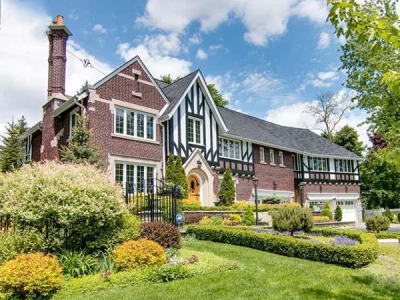 1. A grand manor in a small town known for its distinguished theatre scene in Ontario.
Luxuries at your fingertips including an indoor pool, hot tub and a library while being steps away from shops and restaurants.
Address: 420 William Street
Where: Stratford, Ontario
Price: $1,995,000
Specs: 4 beds, 6 baths
This historic circa-1934 Tudor-style estate harkens back to a time when someone was around to trim your topiaries and polish the silver. One of the largest lots fronting Lake Victoria, this stately manor is well suited for the aristocratic type with time on their hands to pursue pastimes like mini portraiture and archery. There’s an elevator to the master wing and, in the absence of taking all those stairs, an indoor resistance pool promises to keep you ship-shape.
Canadian real estate market outlook 2017 »
2. A bright, spacious house on a 32-acre farm on B.C.’s Salt Spring Island.
This rural gem feels secluded but is close to amenities.
Address: 2450-2454 Fulford-Ganges Road
Where: Salt Spring Island, B…
What’s your RRSP contribution limit?
– moneysense.ca
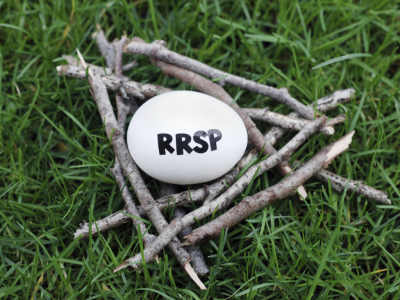 If you’re like many Canadians, you’re hoping you’ve paid enough tax for 2016 and may even be looking forward to a hefty tax refund cheque. You can help ensure that happens by knowing the details of your Registered Retirement Savings Plan (RRSP), what sets them apart, your contribution limit and a whole slew of other things. Here are the basics:
What’s an RRSP
An RRSP is a retirement savings plan that you open at a bank or other financial institution near you. It’s registered by the federal government of Canada, and you can contribute to it up to an annual maximum amount.
What’s special about RRSPs
Contributions to RRSPs are deductible, meaning they can be used to reduce your taxes. Any income you earn in the RRSP is usually exempt from tax as long as the funds remain in the plan; you generally have to pay tax when you withdraw money from the account.
Ten RRSP questions answered »
Who can open an RRSP
If you have earned income, have a social insurance number and have filed a tax return, you can contribute to an RRSP up until December 31 of the year your spouse turns 71…
A forensic accountant on how Canadian investors get duped, and how to stop
– canadianbusiness.com
 (Jamie Grill/Getty)
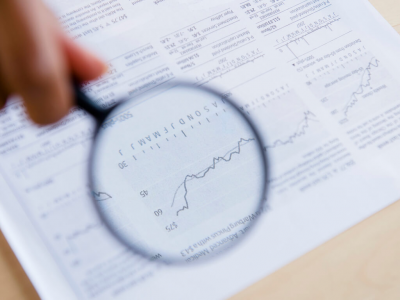
To say that Al and Mark Rosen have a dim view of securities regulators and investor protection law in Canada is putting it mildly. The father-and-son forensic accounting duo, who co-founded Accountability Research Corp. in Toronto, lay out an alarming picture of the Canadian investing landscape in a new book, Easy Prey Investors: Why Broken Safety Nets Threaten Your Wealth. In short, the book explains how companies can present misleading financial statements that are approved by auditors, and then used by equity analysts to talk up shares in those companies. Under International Financial Reporting Standards (IFRS), a set of accounting guidelines adopted in Canada and in other countries, figures are especially prone to manipulation. Regulators and lawmakers, meanwhile, have shirked off their duties to protect investors. Ultimately, the Rosens argue, investors have to watch their own backs. In this excerpt, they outline the most common traps investors fall into.
We are often asked to identify the most troublesome situations that we encounter in our forensic investigations…
The real enemy of investment returns
– moneysense.ca
Problem is, taxes already cut deeply into investment returns. To illustrate the issue I’ll walk through a simplified example.
I’ll start with the Canadian stock market, which has been one of the best performing markets in the world over the very long term. As measured by the S&P/TSX Composite index, it turned each dollar invested into $23.84 from the start of 1980 through to the end of 2016. That amounts to an average annual return of 8.9% but that figure does not include fees, taxes, inflation, and other frictions.
The truth about the 4% rule »
If one applies a 27% tax on gains annually to the market’s returns, the results aren’t quite as good. (The 27% rate reflects the current top marginal tax on capital gains in Nova Scotia, according to Ernst & Young.) On an after-tax basis, the market turned each dollar invested into $10…

