
TSX getting you down? There are always sound investment alternatives.
Latest News

The best GIC rates in Canada for 2025 + MORE Feb 3rd
GIC comparison tool
Find the best and most up-to-date GIC rates in Canada using the comparison tool below. Plus, use the filters to assess your estimated rate of return based on the size of your balance.
Why trust us
MoneySense is an award-winning magazine, helping Canadians navigat.... More »
Trudeau announces two-way investment deal with India worth $1-billion + MORE Feb 20th
The news came after Prime Minister Justin Trudeau spent his third morning in India meeting with six of this country’s most influential business tycoons
.... More »
US stocks and dollar slide after Trump attacks Fed chair Powell - BBC + MORE Apr 22nd
US stocks and dollar slide after Trump attacks Fed chair Powell BBCUS dollar hits three-year low after Trump intensifies attack on Fed chair Powell – business live The GuardianStock markets tumble as investors pull back from American assets CBCTrump warns U.S. econ.... More »
Prince Harry, Meghan thrown cruel insult as King takes strict action - The News International Nov 3rd
Prince Harry, Meghan thrown cruel insult as King takes strict action The News InternationalKing ‘cuts financial ties to disgraced Prince Andrew after refusal to move out of home’ The IndependentPrincess Eugenie and Princess Beatrice dealt inheritance blow over Royal Lodge '.... More »
Capital gains tax in Canada, explained + MORE Jun 16th
Capital gains tax highlights
Only 50% of a capital gain is taxable in Canada, and the taxable portion is added to your income for the year. With Canada’s current income tax rates, no one pays more than 27% in capital gains tax. You can reduce the amount of capital gains tax you owe by holding.... More »
Bank of Canada raises interest rate to 1 per cent
– macleans.ca
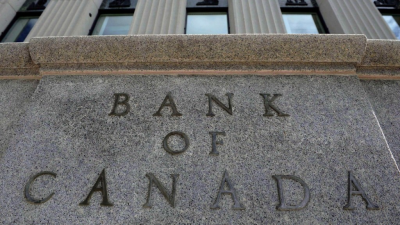 The Bank of Canada marker is pictured in Ottawa on September 6, 2011. (THE CANADIAN PRESS/Sean Kilpatrick)
OTTAWA – The Bank of Canada is once again raising its benchmark interest rate as it sees the economy’s powerful performance pointing to broader, more self-sustaining growth.
The central bank hiked its rate Wednesday by one-quarter point to 1.0 per cent, its second 25-basis-point increase since July.
The move, which will likely be a surprise for some, came less than a week after the latest Statistics Canada numbers showed the economy expanded by an impressive 4.5 per cent in the second quarter.
That followed unexpectedly healthy growth in the first three months of 2017 and easily exceeded the Bank of Canada’s projections.
In a statement Wednesday, the bank said solid employment and wage growth led to strong consumer spending, while the key areas of business investment and exports also improved.
“Recent economic data have been stronger than expected, supporting the bank’s view that growth in Canada is becoming more broadly-based and self-sustaining,” the bank said…
Bank of Canada raises key interest rate to 1.0%
– moneysense.ca
OTTAWA — The Bank of Canada is once again raising its benchmark interest rate as it sees the economy’s powerful performance pointing to broader, more self-sustaining growth.
The central bank hiked its rate Wednesday by one-quarter point to 1.0 per cent, its second 25-basis-point increase since July.
The move, which will likely be a surprise for some, came less than a week after the latest Statistics Canada numbers showed the economy expanded by an impressive 4.5 per cent in the second quarter.
That followed unexpectedly healthy growth in the first three months of 2017 and easily exceeded the Bank of Canada’s projections.
In a statement Wednesday, the bank said solid employment and wage growth led to strong consumer spending, while the key areas of business investment and exports also improved.
“Recent economic data have been stronger than expected, supporting the bank’s view that growth in Canada is becoming more broadly-based and self-sustaining,” the bank said…
The GTA’s real estate market continued to cool off last month, with less homes selling and less homes being listed when compared with August 2016.
CBC.caToronto home sales soften in August, but fall could see market warm upCBC.caThe GTA's real estate market continued to cool off last month, with less homes selling and less homes being listed when compared with August 2016. The Toronto Real Estate Board's sales numbers for August 2017, released Wednesday morning, show that …Toronto home prices in bear market as sales sink 34.8% in AugustBNNGTA REALTORS® Release August Resale Housing Market FiguresDigital JournalHome sales slide but average price sneaks up 3% in yearThe South Bayview BulldogGlobeNewswire (press release)all 14 news articles »
 Student of the George Brown College Construction Management program. (GEORGE BROWN)
TORONTO – A new survey by the Canadian Payroll Association suggests nearly half of workers are living paycheque to paycheque due to soaring spending and debt levels.
The poll found that 47 per cent of respondents said it would be difficult to meet their financial obligations if their paycheque was delayed by even a single week.
The survey, which polled 4,766 Canadian employees between June 27 and Aug. 5, also found that 35 per cent said they feel overwhelmed by their level of debt.
For the first time in the survey’s nine-year history, more respondents found mortgages on principal residences the most difficult debt to pay down, with 32 per cent of respondents selecting this option compared to 23 per cent who cited credit card debt.
Results from the poll indicate that the primary reason for increased debt is higher overall spending. Of the major reasons for increased spending, 32 per cent of respondents pointed to higher living expenses while 25 per cent mentioned unexpected expenses…

