

Ladies, start saving 20 per cent for retirement Apr 28th

Common risks to retirement, investing and financial freedom Oct 11th

How much should I have in my RRSP? + MORE Feb 22nd

What’s my RRSP contribution limit? Nov 15th

Worried about your shrinking nest egg? How the 4% rule can help save your retirement + MORE Mar 30th
Half Of Canadians Forced Into Retirement; Union Members, Public Sector Workers Better Off
– walletpop.ca
The poll shows working in the public sector or being a union member has its benefits when it comes to retirement. Both those groups reported a lower rate of being forced into early retirement, and a lower likelihood of financial problems.
Forty-eight per cent of all those surveyed said they had to retire “at least partly due to circumstances outside my control,” while 46 per cent said they were able to retire when they planned. Only 6 per cent said they had to keep working longer than they had planned.
But among those retired from the private sector, fully 53 per cent said they were forced to retire early. Among retired union members, that number fell to 45 per cent, and among government workers it was even lower at 41 per cent.
While 8 per cent in the private sector had to work longer than planned, only 4 per cent of government workers had to do so, and only 1 per cent of members of professional associations had to do so…
Rich at any age: In your 30s
– moneysense.ca
 It’s probably no coincidence that the iconic rock song “Under Pressure” was recorded when all members of the band Queen were still in their 30s. Because financially speaking, that’s precisely what this decade feels like when you suddenly find yourself juggling the responsibilities of buying a home, starting a family and somehow trying to save for retirement. Your 30s are overwhelming and without careful planning it can be all too easy to fritter away paycheques haphazardly—and find yourself stressed out and not gaining any momentum. “You need to prioritize what is important to you, and you need to clearly identify short-, medium- and long-term goals,” says Calgary money coach Tom Feigs. Doing that will help you figure out what you need to focus on now and what can wait. Remember, it’s all about striking the right balance.
Create a financial plan
Whereas in your 20s you could count yourself among the financially erudite if you were simply living within your means and not racking up consumer debt, that’s not going to cut it anymore…
Rich at any age: In your 70s
– moneysense.ca
 As you reach your 70s, you will need to keep making adjustments to your retirement finances, while you simplify your lifestyle and plan your legacy.
As part of this process, try to anticipate the time when you probably won’t be able physically to do as much as you can now, from activities as simple as climbing stairs to shoveling the walk and doing home maintenance. Renovating to make your home more senior friendly by doing things like installing a walk-in bathtub or shower can help. Many seniors also choose at some point to sell the three-bedroom two-storey family house to buy a bungalow or condo. Downsizing and relocating to an outer suburb or small town might also help generate extra money if your finances are tight.
One of the major things you’ll need to do is convert your RRSPs to RRIFs or annuities by the end of the year you turn 71 and then start making mandated withdrawals. If you’re concerned about outliving your nest egg, the early 70s might be an opportune time to put some money into annuities…
Early retirement leaves some Canadians cash strapped – CBC.ca
– news.google.ca
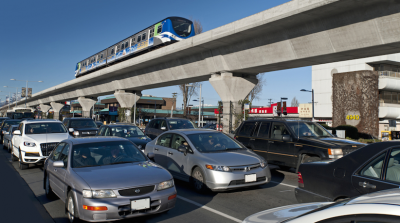 Metro Vancouver learned the results of the transit plebiscite on Thursday morning. The result: a resounding ‘No’ with only 38 per cent voting in favour. Previously in Maclean’s I explained the economics of the proposed half-point hike to the provincial sales tax that would have been instituted to pay for a package of improved transit across the region. Now that we’ve seen the results, I have two quick thoughts.
First, as an economist, I found this an interesting exercise in observing whether citizens were willing to pay more tax for better public services. Stephen Gordon has often written about the seeming reliance of political parties on taxes they think are paid by someone else, whether it is high earners, corporations, or carbon prices assigned to producers. This transit plebiscite appeared to be a direct test: higher taxes explicitly paid by everyone in order to fund better transit. A recent example where voters recently went along with such a plan is Ontario’s 2014 election, in which a key policy of the re-elected Liberals was a new Ontario Retirement Pension Plan, explicitly paid for with higher payroll contributions…

