

The best TFSAs in Canada for 2026 + MORE Feb 4th
Retirement taxes explained: Withholding, clawbacks, and other surprises + MORE Sep 17th
When to consider extra RRIF withdrawals Apr 8th

Can you transfer a RRIF to a TFSA—and what are the tax implications? + MORE May 28th
The best high-interest savings accounts in Canada for 2025 + MORE Jul 16th
2023 tax credits, due dates and when you can file: Your 2023 income tax return guide
– moneysense.ca
What’s new for taxes?
New alternative minimum tax changes: As of January 1, 2024, the AMT rate is 20.5% (previously 15%). Essentially, the AMT is a minimum level of tax for Canadians who claim certain deductions, exemptions and/or credits to reduce how much personal income tax they pay. The change doesn’t apply to 2023 income tax returns, though, and thankfully it doesn’t apply to most Canadians.
Deadline extended for underused housing tax (UHT): For residential property owners with vacant or underused real estate who owed the UHT from their 2022 income tax return and have yet to pay it, know that the Canada Revenue Agency (CRA) extended the due date to April 30, 2024, with penalties waived…
 Taxes may well be a certainty of life, but they can morph and multiply by the year, including some big changes this filing season.
Here are the new rules you should know about:
Home office expenses
Throughout the COVID-19 pandemic, workers could deduct $2 a day from their taxable earnings for each day worked from home, up to a maximum of $500. That “temporary flat rate” no longer applies.
When filing for 2023, employees can only deduct home office expenses if they were required—not simply allowed—to work from home more than half the time for at least a month straight. And they need a form called the T2200 signed and handed over by their employer to do so.
“You’ve got to add up all your expenses, whether it’s utilities or repairs and all the rest, and then claim a portion of those based on the square footage of your office as a percentage of your entire home,” said Tim Cestnick, a tax and personal finance expert.
2023 Income Tax Guide for Canadians: Deadlines, tax tips and more
Read now
Penalty for filing late
The interest rate on overdue income taxes has risen to 10% from 9%…
What new bare trust tax filing rules mean for Canadians
– moneysense.ca
 This column was originally published on March 11, 2024. Following its publication, MoneySense received a flood of questions from readers about bare trust tax filing rules. This article has been updated with Jason Heath’s answers to some of those questions, which you can read below.
Ask MoneySense
I would like some clarification on the T3 tax return for the year 2023. Whom does this rule apply to and can you clarify whether all the persons on the account have to complete T3 tax returns?
—Chander
Some people set up trusts that come into effect during their lifetime or upon their death. Trusts may be used to reduce taxes or to provide certain protections for young or vulnerable beneficiaries. A lot of Canadians don’t realize they have a trust. And new tax rules for so-called bare trusts mean they will also have to file trust tax returns for 2023.
What is a bare trust?
The Income Tax Act does not specifically define a bare trust, Chander. According to the Canada Revenue Agency (CRA): “A bare trust for income tax purposes is a trust arrangement under which the trustee can reasonably be considered to act as agent for all the beneficiaries under the trust with respect to all dealings with all of the trust’s property…
Dating dilemma: When to talk about finances
– moneysense.ca
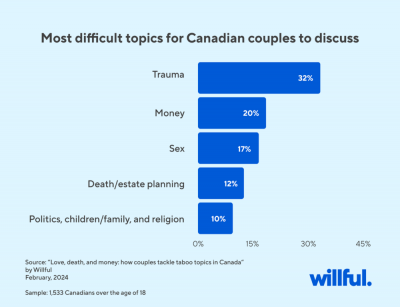 When it comes to popular first-date conversation topics, credit scores and debt levels aren’t at the top of the list. Even committed couples may find it hard to broach financial topics like retirement planning or estate planning. But as the cost of living goes up and people try to plan for the future, finances are becoming a more important dinner table topic.
There’s often a stigma around discussing money, but I’ve found it really helpful to have these conversations early and often. My husband and I have monthly budget review chats, and we’re constantly discussing our financial goals and how we can achieve them. Money has never been a taboo topic for us, and we discussed our debt loads, salaries, savings and attitudes towards money shortly after we started dating. It’s a trend that’s continued into our marriage, although now the topics of conversation are things like life insurance, registered education savings plans (RESPs) for our kids, wills and estate planning, and retirement, instead of whether we can afford that weekend trip to NYC…

