
Learn more about Canada’s top banks rates, rules and the latest news – read on!
Latest News


NSF Fees: How They Work and Ways You Can Avoid Them Sep 6th
Let’s face it; no one likes getting charged bank fees. It’s one of the main reasons online banks have surged in popularity in recent years. But even online banks charge NSF fees. If you’re unfamiliar, here’s how NSF fees work and how you can avoid them.
What Is an NSF Fee?
A non-sufficient f.... More »
Making sense of the markets this week: October 29, 2023 Oct 28th
Allan Small, Senior Investment Advisor at the Allan Small Financial Group with iA Private Wealth, shares financial headlines and offers context for Canadian investors.
Third quarter earnings are here from tech
Earnings season is here, as technology’s biggest players reported their third quar.... More »
The best 5-year fixed mortgage rates in Canada Jun 8th
Mortgages
The best 5-year fixed mortgage rates in Canada
You’re 2 minutes away from getting the best mortgage rates in Canada. Just answer a few quick questions to get a personalized rate quote.
I’m buying a home*
.... More »
Financial Institution Numbers for All Canadian Banks Apr 1st
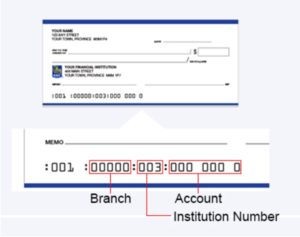
You can identify Canadian financial institutions by their bank institution number, which is always three digits long. Bank customers need this number anytime they want to set up a direct deposit or preauthorized payment or receive a wire transfer into their account.
How to Locate Canadian Bank Insti.... More »
Canada’s best credit cards for gas Dec 6th
Gas costs can be a hefty line item, especially for Canadians with a daily commute or even a hybrid situation—and it’s one that is largely out of our individual control. Using the right credit card when you fill up will earn you a return on your fuel expenses. But which card should you pick? We b.... More »
Making sense of the markets this week: June 28
– moneysense.ca
 Each week, Cut the Crap Investing founder Dale Roberts shares financial headlines and offers context for Canadian investors.
Are the markets throwing a taper tantrum?
The term “taper” and the possibility of a “taper tantrum” jumped into business news and headlines this past week. What is all of this taper talk? And what does it mean for our stocks and bonds, and other investments?
Here’s the background. To help keep rates low, central banks buy their own government bonds. That link to the Bank of Canada site explains the bond-buying process (termed QE, or quantitative easing). And here’s the rationale from that BOC page…
“QE sends a signal that we intend to keep our policy interest rate low for a long time—as long as inflation stays under control. By giving more certainty that our policy interest rate will remain low, QE can help reduce longer-term borrowing costs for businesses and households.”
And in chart form…
Source: Bank of Canada
Central banks are working to stimulate growth as part of their goal to achieve a 2% inflation target…

