
Learn more about Canada’s top banks rates, rules and the latest news – read on!
Latest News

Is now the time for retirees to sell stocks and buy GICs? Aug 2nd
Ask MoneySense
My husband is retired and concerned that his money that is invested in his RRSP and TFSA is fluctuating too much. He is retired and is wondering if his funds should be in a GIC account as it’s paying 4% and not losing principal. He’s concerned in this volatile market.—Rodeen
.... More »
Is Wealthsimple a bank? Not exactly, but it’s launching new “banking” services Jun 12th
Canadians aren’t short of credit card options, that’s for sure. At an average of two to three credit cards per person, we have more credit cards than debit cards in our wallets. But there’s still room for one more, suggests Wealthsimple with its recently launched bank-like offerings, including.... More »
Video: How the Bank of Canada’s interest rate affects you Apr 13th
Think of the Bank of Canada (BoC) as the “influencer of all influencers” when it comes to interest rates. Banks and other financial institutions follow its lead. Learn more about how the BoC’s overnight interest rate impacts you in this short video, featuring MoneySense executive editor Lisa H.... More »
Financial Institution Numbers for All Canadian Banks Apr 1st
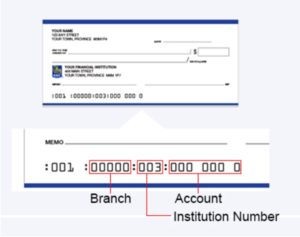
You can identify Canadian financial institutions by their bank institution number, which is always three digits long. Bank customers need this number anytime they want to set up a direct deposit or preauthorized payment or receive a wire transfer into their account.
How to Locate Canadian Bank Insti.... More »
The best high-interest savings accounts in Canada for 2025 + MORE Jan 26th
Savings comparison tool
Find the best and most up-to-date savings rates in Canada using the comparison tool below. Plus, use the filters to assess your estimated return based on the size of your balance.
Advertisement
Why trust us
MoneySense is an.... More »
With the recent news that bank fees have increased during the pandemic and challenger banks like Neo Financial promising no fees on accounts, switching banks may be at the forefront of your mind. But having a good understanding of bank fees—what they are, how they’re determined and the kind of service you can expect without paying them—will help you make the best banking decision for your lifestyle. Read on to learn the information you need to know about bank fees.
Types of bank fees and the services they provide
The type and amount of fees charged vary by institution, so it’s always important to do your homework. Here are some common and not-so-common fees charged by banks and other financial institutions.
Monthly service fees
This is a flat rate charged each month to keep your account active. You can expect to shell out around $4 for a no-frills account and more for perks like cheques or unlimited transactions. Some accounts require you to maintain a minimum balance at all times or you’ll incur additional fees…

