
Learn more about Canada’s top banks rates, rules and the latest news – read on!
Latest News



Banks, insurers shy away from former grow ops + MORE Jun 30th
TORONTO – At first glance, the mid-century, three-level Winnipeg home was everything that Sarah Fehr and her fiancee had been looking for.
It was located in the right neighbourhood, had a double garage and the backyard was spacious enough for the couple’s two pugs to frolic in.
Perhaps most impo.... More »
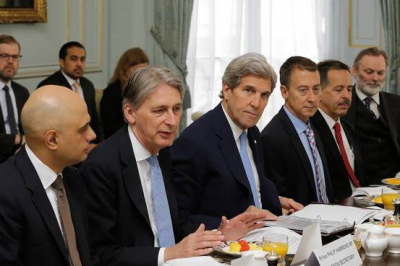
Kerry's Peculiar Message About Iran for European Banks + MORE May 13th
Why is Washington pushing banks like mine to do what is still illegal for American banks?.... More »
Do BoC rates impact you? 10 questions answered + MORE Mar 9th
(Gary Waters/Getty Images)
Eight times a year, the Bank of Canada sets its key interest rate. This is a fancy way of saying it establishes an overnight target interest which is then used by banks to set the prime rate. This prime rate establishes how much it will cost to borrow, whether it’s a mor.... More »
How to avoid the hidden costs of sending money abroad Jul 12th
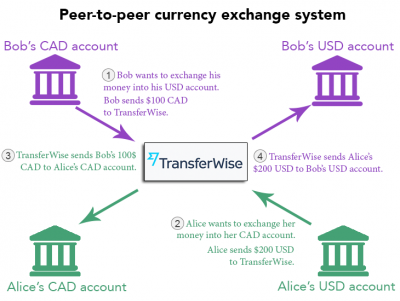
If you’re looking to transfer money overseas, there’s now a cheaper alternative than using your bank or companies that specialize in international transfers—it’s a smartphone app called TransferWise Money Transfer.
When you send money internationally in a foreign currency, banks will c.... More »
Bank Websites: What Canadians Want – Pt. 2 + MORE Jun 25th
By Derek Nicholson
What makes a great bank website or mobile app? With more than three quarters of Canadians now using online banking, it’s become the norm rather than a trend – and it’s important to see how our banks are keeping up. To examine how customer satisfaction is attribu.... More »
Why Homeowners Should Care About Higher Fees for MBS
– ratesupermarket.ca

On December 1, 2014, the Canada Mortgage and Housing Corporation (CMHC) told the nation’s lenders that they would be raising the fees it charges for guaranteeing mortgage-backed securities (MBS). But you don’t own a bank, so why should you care? Well, it will likely mean higher borrowing costs for consumers. Here’s how and why.
What are Mortgage-Backed Securities?
To start with, let’s take a quick look at what MBS are. These are a collection of investments that are “backed” or secured by the value of the mortgages. Each MBS pools together hundreds or even thousands of mortgages. The banks use these pools, known as securities, to spread around their risk when lending. Much as it does for individual homeowners who have less than 20 per cent for their down payment, the CMHC also guarantees the mortgages financial institutions hold in MBS, for a fee.
Preventing Past Risks
If the phrase “mortgage-backed securities” sounds familiar, it’s probably for its guilty association with the Great Recession at the end of the last decade…
Why Homeowners Should Care About Higher Fees for MBS
– ratesupermarket.ca

On December 1, 2014, the Canada Mortgage and Housing Corporation (CMHC) told the nation’s lenders that they would be raising the fees it charges for guaranteeing mortgage-backed securities (MBS). But you don’t own a bank, so why should you care? Well, it will likely mean higher borrowing costs for consumers. Here’s how and why.
What are Mortgage-Backed Securities?
To start with, let’s take a quick look at what MBS are. These are a collection of investments that are “backed” or secured by the value of the mortgages. Each MBS pools together hundreds or even thousands of mortgages. The banks use these pools, known as securities, to spread around their risk when lending. Much as it does for individual homeowners who have less than 20 per cent for their down payment, the CMHC also guarantees the mortgages financial institutions hold in MBS, for a fee.
Preventing Past Risks
If the phrase “mortgage-backed securities” sounds familiar, it’s probably for its guilty association with the Great Recession at the end of the last decade…
Swiss central bank introduces negative interest rates to keep franc from gaining more strength
– canadianbusiness.com
BERN, Switzerland – Switzerland’s central bank has imposed negative interest rates on commercial bank deposits, with the aim of preventing the Swiss franc from gaining more strength against other currencies.
The move forces commercial banks to pay to deposit their francs with the Swiss National Bank.
In a statement Thursday, the central bank said it was introducing a rate of minus 0.25 per cent on sight deposit account balances of more than 10 million Swiss francs ($12.5 million).
It said the “introduction of negative interest rates makes it less attractive to hold Swiss franc investments, and thereby supports the minimum exchange rate.”
Since 2011, the SNB has set the minimum exchange rate of the euro at 1.20 Swiss francs, helping sharply raise the value of major currencies like the dollar against the franc.
The post Swiss central bank introduces negative interest rates to keep franc from gaining more strength appeared first on Canadian Business.
The move forces commercial banks to pay to deposit their francs with the Swiss National Bank.
In a statement Thursday, the central bank said it was introducing a rate of minus 0.25 per cent on sight deposit account balances of more than 10 million Swiss francs ($12.5 million).
It said the “introduction of negative interest rates makes it less attractive to hold Swiss franc investments, and thereby supports the minimum exchange rate.”
Since 2011, the SNB has set the minimum exchange rate of the euro at 1.20 Swiss francs, helping sharply raise the value of major currencies like the dollar against the franc.
The post Swiss central bank introduces negative interest rates to keep franc from gaining more strength appeared first on Canadian Business.

