
Canada has several major banks and many schedule II banks – but with rates and plans all over the map, it’s difficult to know where to bring your business. Our aim is to help you navigate Canada’s banking options to discover which one suits your needs best.
Latest News

Advice for cash-strapped renters and landlords during COVID-19 May 16th
When the COVID-19 pandemic swept across North America in early 2020, it created a wave of income loss that impacted people from all walks of life. While some individuals have been hit harder than others, it’s difficult to find a group or industry that hasn’t been affected. A small segment of the.... More »
3 Tips: Avoid Back to School Overspending Aug 12th
It’s that “wonderful” time of year again. Students are gearing up for a new school semester, gathering the supplies they’ll need for their courses and ensuring they’re well prepared for their first days back in class. Retailers – ever so helpful – make it a.... More »
The best GIC rates in Canada for 2024 Jun 6th
Investing
The best GIC rates in Canada
Find the best GIC rates in Canada. Plus, everything you need to know about how they work.
Compare now
Why trust us
MoneySense is an award-winning magazine,.... More »
Making sense of the markets this week: January 23 Jan 22nd
Each week, Cut the Crap Investing founder Dale Roberts shares financial headlines and offers context for Canadian investors.
U.S. earnings season is in full swing
Earnings season is off and running. As always, the financials were battling to be the lead-off batter, as we look .... More »
Canada’s Top 10 Socially Responsible Corporations Jun 10th
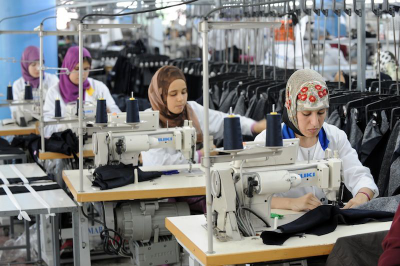
Workers at a Moroccan textile factory producing clothes for Zara parent company Inditex. (Abdelhak Senna/AFP/Getty)
This week our colleagues at Maclean’s unveiled their ranking of Canada’s Top 50 Socially Responsible Companies. This is the seventh year that the magazine has produced this rank.... More »
Why super-low inflation can pose a threat to economies like Japan’s
– canadianbusiness.com
WASHINGTON – In explaining its surprise move Friday to inject more stimulus into the financial system, the Bank of Japan cited one main factor: Prices that are too low.
Japanese central bankers worry that prices are starting to flat-line, especially amid tumbling crude oil costs and lacklustre consumer demand. The BOJ warned that without action, Japan could find itself slipping back into the same “deflationary mindset” that has hampered the world’s third-largest economy for much of the last two decades.
Extremely low inflation might seem like a healthy quality for an economy. Stagnant prices certainly feel better than the double-digit inflation that bedeviled the United States in the 1970s. But excessively low inflation can be just as destructive for an economy as runaway price increases.
The BOJ and other major central banks regard 2 per cent as a healthy long-term inflation target. The latest data for Japan showed that a gauge of core inflation, which excludes volatile food and energy prices, fell shy of even 1 per cent…
Japanese central bankers worry that prices are starting to flat-line, especially amid tumbling crude oil costs and lacklustre consumer demand. The BOJ warned that without action, Japan could find itself slipping back into the same “deflationary mindset” that has hampered the world’s third-largest economy for much of the last two decades.
Extremely low inflation might seem like a healthy quality for an economy. Stagnant prices certainly feel better than the double-digit inflation that bedeviled the United States in the 1970s. But excessively low inflation can be just as destructive for an economy as runaway price increases.
The BOJ and other major central banks regard 2 per cent as a healthy long-term inflation target. The latest data for Japan showed that a gauge of core inflation, which excludes volatile food and energy prices, fell shy of even 1 per cent…

