
Obtaining a mortgage or secured line of credit in Canada at the best rates is often a daunting task. We can help! Read the articles below for more info.
Latest News


Breaking down bank fees + MORE Jul 16th
The COVID-19 pandemic has hit a lot of Canadians hard—emotionally, physically and financially. So it isn’t surprising that many are calling out banks that raised their fees to consumers at a time when so many people are struggling. Given the number of banks that have also reported record profits.... More »
Can you get a mortgage if you’re self-employed? It’s not easy, but it’s not impossible + MORE May 16th
With determination and good planning, you can jump through the extra hoops and get that house, Lesley-Anne Scorgie writes..... More »
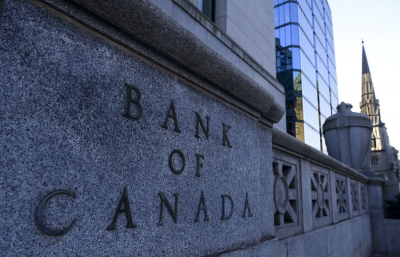
Bank of Canada Raises Rate by 0.25% – Is it Time to Worry Yet? + MORE Mar 8th
As predicted, the Bank of Canada raised their benchmark rate a few days ago. No surprises here. And yet, the media will make you feel like this was out of left field. Even worse, they’ll spew fear mongering dribble that the train is off then rail. That every single BoC meeting for the rest of the .... More »
Should retirees pay off their mortgages with investments? + MORE Nov 28th
Ask MoneySense
I retired this year and my mortgage is coming due soon. My advisor said to keep the mortgage as rates are low possible and keep the money invested to keep making me money. I’m not sure this is wise, and my advisor works for the bank who holds my mortgage. What do you think?
–Li.... More »
Canada’s best credit cards for people with bad credit 2021 + MORE Jun 4th
Conventional wisdom may lead you to believe that if you have bad credit, you should swear off credit cards. But if you want to improve your credit score, you’ll have to show you can handle credit responsibly—and the only way to do that is (you guessed it) to have a credit card. When used properl.... More »
How much real estate should you have in a balanced portfolio?
– moneysense.ca
When investors talk about income-producing assets, the first that come to mind are dividends and interest, with capital gains a close third. But what about investment real estate? If you hold an asset allocation ETF, it will be chock full of stocks and bonds but offer little real estate exposure apart from a few publicly traded real estate firms.
How much should real estate comprise in a balanced portfolio? While a principal residence certainly will be a big part of most people’s net worth, personally I don’t “count” it as part of my investment portfolio even though it can ultimately serve as a retirement asset of last resort, via home equity lines of credit (HELOCs), reverse mortgages or simply an outright sale when it’s time to enter a retirement or nursing home. If you take that approach, and many of my advisor sources do, then the question becomes how much real estate should you have in your investment portfolio, above and beyond the roof over your head?
With Canadian housing prices soaring since the pandemic, those fortunate enough to have investment real estate may well be overweight the asset class…
Sagen Overtakes CMHC as Canada’s Largest Mortgage Default Insurer
– canadianmortgagetrends.com
The Canada Mortgage and Housing Corporation (CMHC) has reportedly lost its title as Canada’s largest provider of mortgage default insurance. The national housing agency’s total market share has slipped to just under 30%, according to a report by RATESDOTCA. That marks a steep decline from CMHC’s market share of approximately 46% in 2019. Meanwhile, Canada’s two private providers of mortgage default insurance have seen their market share jump. Sagen reported a rise in market share to about 43%, up from […]

